
At the lower end of the distribution, recent data from the Poverty Tracker Research Group at Columbia University indicate a worrying rise in poverty, based on a survey of about 3,000 NYC residents. The report found that the overall supplemental poverty rate (i.e., the proportion of people with incomes below 100% of the supplemental poverty line) increased from 18% in 2021 to 23% in 2022. While the supplemental poverty rate rose by 5% for adults in the survey, it rose by 10 percentage points for children (from 15% to 25%). The report estimates that, in addition to the 23% of New Yorkers living below the supplemental poverty line in 2022, another 33% are living between 100% and 200% of the supplemental poverty line (a total of 56% of New Yorkers classified as “in poverty or low-income”).
Poverty levels are so high that in 2024, more than three in four (76%) New Yorkers reduced their expenses on essentials and savings due to rising prices of goods and services, and more than three in five (61%) made multiple adjustments. About half of New Yorkers reported cutting back on food purchases (56%), savings (53%), transportation (49%), and electricity or utility use (49%).
Capitalism uses socialism as a scare tactic for the masses by claiming that under any form of socialism, people’s private property will be confiscated and transferred to the state. Proponents of capitalism do not differentiate between personal possessions and private ownership of the means of production. Ironically, in New York City, which is currently the centre of global capitalism, the homeownership rate is only 25%. The homeownership rate in the United States is 65%. In London, it is 47%; in Amsterdam, 69%; in Tokyo, 45%; in New Delhi, 67%; and in Beijing and Shanghai, it is 85% and 90%, respectively. Among the world's major cities, Paris and Berlin have low homeownership rates of 17% and 33%, respectively. To make matters worse, Donald Trump has proposed extending the mortgage term from 30 to 50 years. President Franklin D Roosevelt helped introduce 30-year mortgages after the Great Depression, when about 50% of mortgages, which were then fixed for a short term, were in default. The Roosevelt administration aimed to prevent this from happening again by enabling people to become homeowners through more predictable repayment plans with reduced risk. Trump’s proposal would mean that New Yorkers would not be able to own their homes in their lifetimes. If they do, it would be at the fag end of their lives. Even worse are the machinations of the property developers and real estate sharks. By offering underwater mortgages (in which the buyer owes more than his/her home is currently worth), they have been draining New Yorkers' pockets. The playbook operates like this: builders advertise mortgage rates around 3.99%, even as the broader market remains closer to 6.3%. However, to make the figures work, they keep sale prices above what the property might otherwise be worth. Buyers secure a lower monthly payment but at the expense of taking out a loan that’s already near, or above, the property’s actual value. Between 2022 and 2024, 27% of home loans were underwater mortgages. The hardworking home buyers face a double whammy. As prices stabilise, the homeowner is in negative equity. Selling the house becomes difficult because it requires bringing cash to the closing table to cover the gap between the loan balance and the sale price, which can mean writing a check for tens of thousands of dollars. A Citizens Budget Commission report last year found that New York City lost 160,000 residents, an exodus in which housing costs were a huge factor.
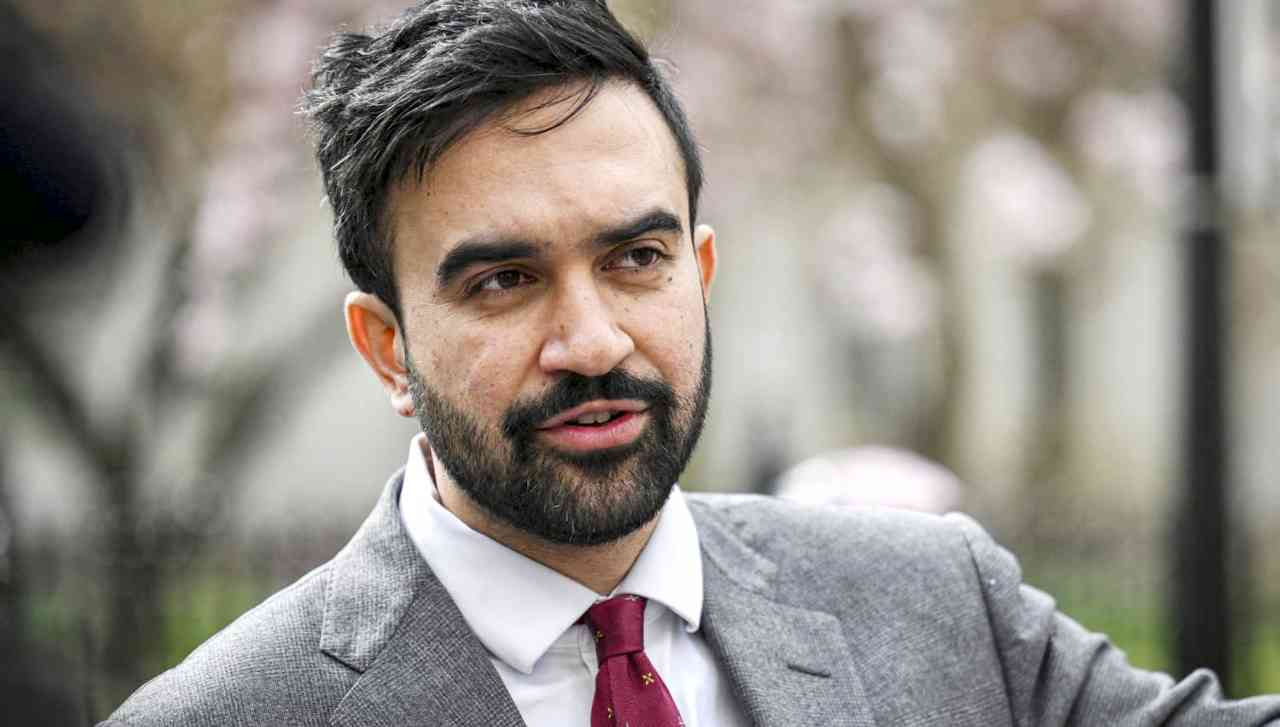
In such a bleak economic climate, Mamdani contested the mayoral election on class issues. He did not leverage his identity to garner votes; instead, he proclaimed himself to be an equal citizen in Trump’s white supremacist America. This approach to politics transcended the rote and corrupt identity politics of American liberalism, where colour and race are used as a veneer of progressivism to conceal the persistence of neo-liberal economic policies domestically and imperialism abroad. He pledged a rent freeze and the construction of 200,000 new affordable homes for New Yorkers. This ignited a genuine class war. The real estate sharks began flooding Andrew Cuomo's campaign funds, Mamdani’s primary opponent. The real estate industry group New York Apartment Association contributed over $2.5 million to a Cuomo-aligned Super PAC in the closing weeks of the race. Other notable real estate donors include Douglas Durst of the Durst Organisation, whose family is worth $8 billion, and Douglas Eisenberg of A&E Real Estate, who is currently being sued by the city for hundreds of outstanding code violations. Former billionaire mayor Michael Bloomberg — who raised rent by 33% on rent-stabilised apartments while in office — contributed $8.3 million to Cuomo’s campaign.
On the other side of the class divide, hundreds of thousands of hard-working New Yorkers stood, fed up with the current system. With nearly 100,000 volunteers, Mamdani launched a sweeping campaign and reached out to New Yorkers in their homes. His volunteers greeted families on their doorsteps and engaged them in honest conversation. In the bleak, individualised life of an intensely capitalist city, where citizens have been reduced to mere consumers, Mamdani’s campaign touched the hearts and minds of New Yorkers. Mamdani also promised a significant increase in New York City's minimum wage. All Presidents so far have hesitated in signing the $15 minimum wage bill. Mamdani has proposed to raise the minimum wage to $30 an hour by 2030, starting at $20 in 2027. Currently, the minimum wage in New York City is $16.50. After 2030, under Mamdani’s proposal, the floor will continue to rise every year. He reached this conclusion after accepting the Massachusetts Institute of Technology’s (MIT) Living Wage Calculator. The latter also suggests that a livable hourly wage in New York City with one child should be $52.57, with two children $65.14 and with three children $82.03. Between 2019 and 2024, the real incomes of the top 3% wage earners in New York City rose by 34%, whereas those of the lower, lower-middle, and middle-income groups rose by just 8.5%. New York City is also home to approximately 350,000 millionaires as of 2024, the highest number of any city in the world, with the city's millionaire population growing by 48% over the past decade.
Coming back to the point of identity, since Bernie Sanders’s insurgent campaign for the Democratic presidential nomination in 2016, the accusation of “class reductionism” has loomed over left-liberal debates. Left-identitarians and centrist liberals have invoked this charge not only to dismiss Sanders, but also to question a wide range of universally redistributive policies championed by him and the Democratic Party’s left wing—including Medicare for All, free public higher education, a living wage, and collective bargaining rights. Mamdani took the baton from Bernie, asserted his identity instead of weaponizing it, fought and won on class issues. In the light of the recently concluded Bihar elections there are important lessons here for the Indian Left.
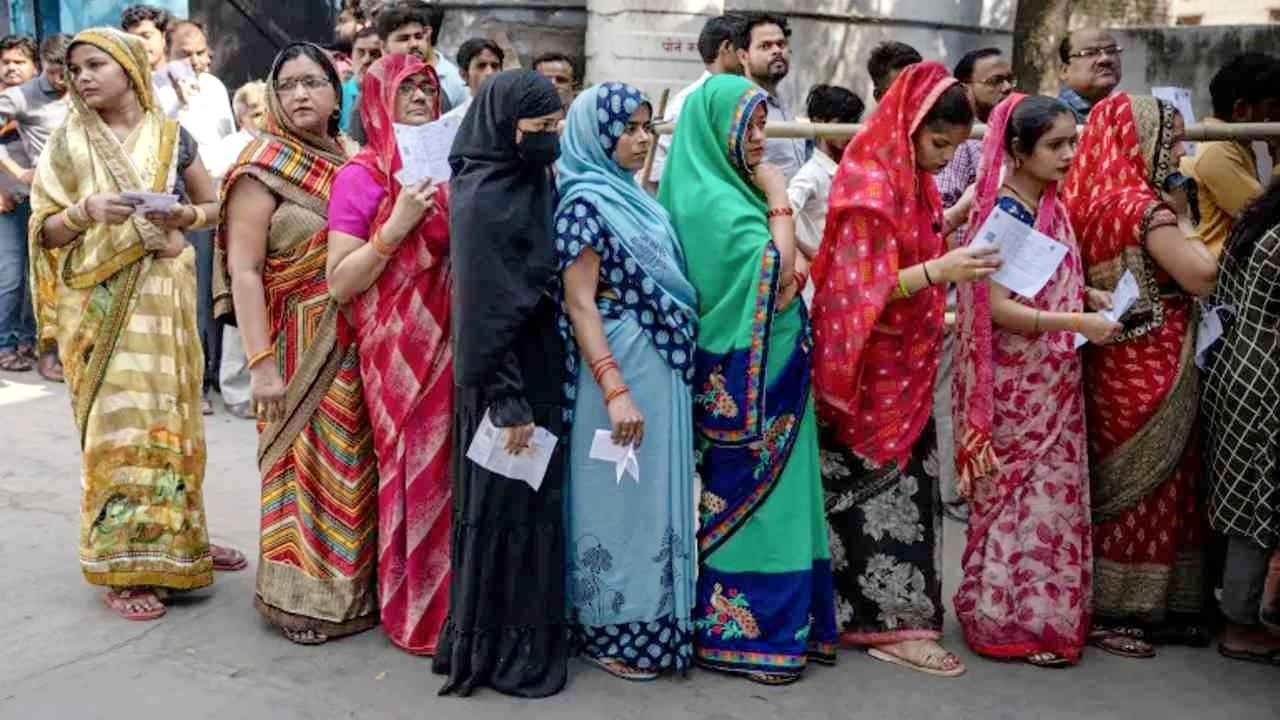
India remains a deeply conservative society, with a rigid (and graded) caste hierarchy deeply embedded in the consciousness of both the poor and the prosperous. More than three decades after the implementation of the Mandal Commission report, the politics of social justice has become entrenched, often reduced to the interests of caste blocs and their leaders who prioritize proximity to power above genuine reform. In Bihar, social justice as practiced was stripped of any real commitment to economic equity or caste annihilation. Despite claims of 'sushasan' (good governance) and a 'double engine' government, Bihar continues to lag behind all other Indian states on key socio-economic indicators.
The Bihar Caste Census (2022) starkly illustrated the deeply sectarian character of social justice politics in the state. Scheduled Castes (SC) and Scheduled Tribes (ST), who together comprise 21% of Bihar’s population, face acute economic hardship: 43% of SCs and 42% of STs earn less than Rs. 6,000 ($68) per month. The World Bank sets $90 per month as the benchmark for extreme poverty. Among these groups, only 1.72% of SCs and 2.53% of STs earn more than Rs. 50,000 per month. The situation is similarly grim for General (Upper Castes), Other Backward Classes (OBCs), and Extremely Backward Castes (EBCs). Of those earning below Rs. 6,000 per month, Forward Castes make up 25.09%, OBCs 33.16%, and EBCs 33.58%. Altogether, over a quarter of Bihar’s population lives below the World Bank’s extreme poverty threshold. Only in the Rs. 50,000-and-above income bracket do upper castes significantly outpace other groups, with 9.86% of upper-caste households reporting such earnings, compared to 4.22% for OBCs and 2.28% for EBCs.
Despite the relentless hardship endured by its people, Bihar remains a fragmented society, lacking any meaningful cross-caste class solidarity. This absence is at the core of the state's persistent challenges. Here, Zohran Mamdani's perspective becomes crucial: for Bihar to experience true revitalization and genuine social justice, building alliances that transcend caste and unite classes is essential. This challenge is necessary because all segments of Indian capitalism—agrarian, mercantile, and industrial—have profited from the ongoing migration of impoverished Biharis. From the docks of Kolkata to the ports of Mumbai and the markets of Delhi, the exploitation of Bihari labour has fueled substantial wealth accumulation for the Indian capitalist class. It is imperative that the people of Bihar demand accountability from all these forces.