Fourteen innocent people, peasants, workers, youth, and activists associated with CPI(ML), were trapped under the draconian TADA (Terrorist and Disruptive Activities (Prevention) Act). In 2003, they were sentenced to life imprisonment in a case that bore all the marks of fabrication.
TADA itself had lapsed in 1995 after widespread protests against its misuse. Yet, in Bhadasi, its shadow lingered, destroying lives, silencing families, and turning decades into a slow, grinding punishment.
People’s Resistance in Arwal–Jehanabad and Police Repression
The soil of Arwal and Jehanabad has long been marked by both people’s resistance and brutal repression. In 1986, police bullets rained down on a peaceful gathering in Arwal, killing 23 people in an incident widely remembered as independent India’s own Jallianwala Bagh. It was only after massive statewide protests, culminating in a gherao of the Bihar Assembly, the government ordered an inquiry and transfer of CR Kaswan.
Many of those later accused in the Bhadasi case had been active in these protest movements and were known in the area for their involvement in local struggles around land, wages, and dignity. This made them particularly vulnerable to being singled out by the police.
The immediate incident in Bhadasi in 1988 revolved around a dispute over a singhara (water chestnut) pond. For the villagers, this pond was not just a water body but a crucial source of livelihood. It was being cultivated collectively with the support of a cooperative, and there was a growing fear among the villagers that local landlords would forcibly take over the produce. On the day of the incident, villagers had gathered to resolve this dispute.
Despite this, a large police contingent led by the Officer-in-Charge of Arwal arrived in the village, on the pretext that ‘extremists’ had assembled. What followed was an unprovoked firing by the police. Three villagers were killed on the spot. The violence, however, did not end there. It extended into a systematic process of arrests, fabrication of evidence, and the construction of a case under TADA.
One of the most striking aspects of the Bhadasi case is that most of those eventually accused were not even present at the site of the incident. Only a few individuals, including four minors, were arrested during or immediately after the firing. Even these arrests were arbitrary, with people being picked up from the pond or from their homes. The remaining accused were named later in the FIR filed by a Sub-Inspector who had been part of the police contingent. Those who found their names in the FIR subsequently surrendered in court. No arms or incriminating materials were recovered from any of them, which further raises serious questions about the basis of the charges.
Despite these glaring inconsistencies, the case proceeded under TADA, a law that effectively reversed basic principles of justice by making bail difficult and placing extraordinary powers in the hands of the police. By the time the Jehanabad TADA court delivered its judgment in 2003, sentencing all 14 to life imprisonment, the accused had already lost years of their lives in jail. The Supreme Court later upheld the conviction, closing off legal avenues and extending their incarceration indefinitely.
The human cost of this prolonged incarceration has been immense. Seven of the fourteen died in prison. Among those who survived, several had been minors at the time of the incident. In March 2026, the remaining comrades received release order after decades of incarceration. This marks the end of a long legal battle, but it also highlights the deep injustice inflicted through the misuse of TADA. Their struggle stands as a stark reminder of how draconian laws like TADA and today, UAPA have been used to criminalize the poor, suppress people’s movements, and target political activists.
Profile of the Bhadasi Prisoners of Conscience are as follows:
Martyr Comrade Shah Chand: He was 60 years old at the time of conviction and was made the main accused. Coming from an educated Muslim family in Bhadasi village, he entered public life inspired by communist ideas. He was elected Mukhiya of Bhadasi in 1978 and held several public positions thereafter. In 1982, he was a member of the Jehanabad–Arwal Peace Committee. In 1994, he became the first secretary of the Inquilabi Muslim Conference. In 2002, he was appointed to the Jehanabad–Arwal Wakf Board. Known locally as “Mukhiyaji,” he was widely respected for developmental work, including canal construction, literacy campaigns, and health initiatives. He died in jail in 2014 after 12 years of incarceration.
Martyr Comrade Laxman Sao: About 65 years old at the time of conviction, he was a landless peasant who ran a small village shop. He was randomly picked up and jailed in the case. He passed away on 27 November 2025 after prolonged incarceration.
Martyr Comrade Madho Chaudhary: Around 40 years old, he worked as an agricultural labourer and was also engaged in traditional occupations such as growing singhara and tapping toddy. He died in jail in 2023 due to lack of proper medical attention.
Martyr Comrade Madan Singh: He was about 48 years old at the time of conviction. After studying up to Class 9, he joined the army in 1971 and rose to the rank of Subedar by 2001. He had come home on a short leave and was going to buy cement when he was arrested and implicated in the Bhadasi case. He died in jail.
Martyr Comrade Mahgu Chaudhary: 70 years old at the time of conviction, he was engaged in traditional occupations such as growing singhara and tapping toddy. He died after suffering from paralysis caused by a stroke during long incarceration.
Martyr Comrade Sohrai Chaudhary: 70 years old at the time of conviction, he worked as an agricultural labourer along with traditional occupations. He died in jail.
Martyr Comrade Baleshwar Chaudhary: 65 years old at the time of conviction, he was an agricultural labourer and engaged in traditional occupations. He died during incarceration.
Comrade Tribhuvan Sharma: 40 years old at the time of conviction, he became associated with IPF and CPI(ML) after completing his schooling and was active from 1986. He was imprisoned for 17 months after the Bhadasi incident and later became a full-time activist. There are no other cases against him. He was released in 2019 after spending about 17 years in jail.
Comrade Arvind Chaudhary: about 30 years old at the time of conviction, he worked as an agricultural labourer and in traditional occupations. He was only 14 years old at the time of the incident. He is now set to be released after decades in jail.
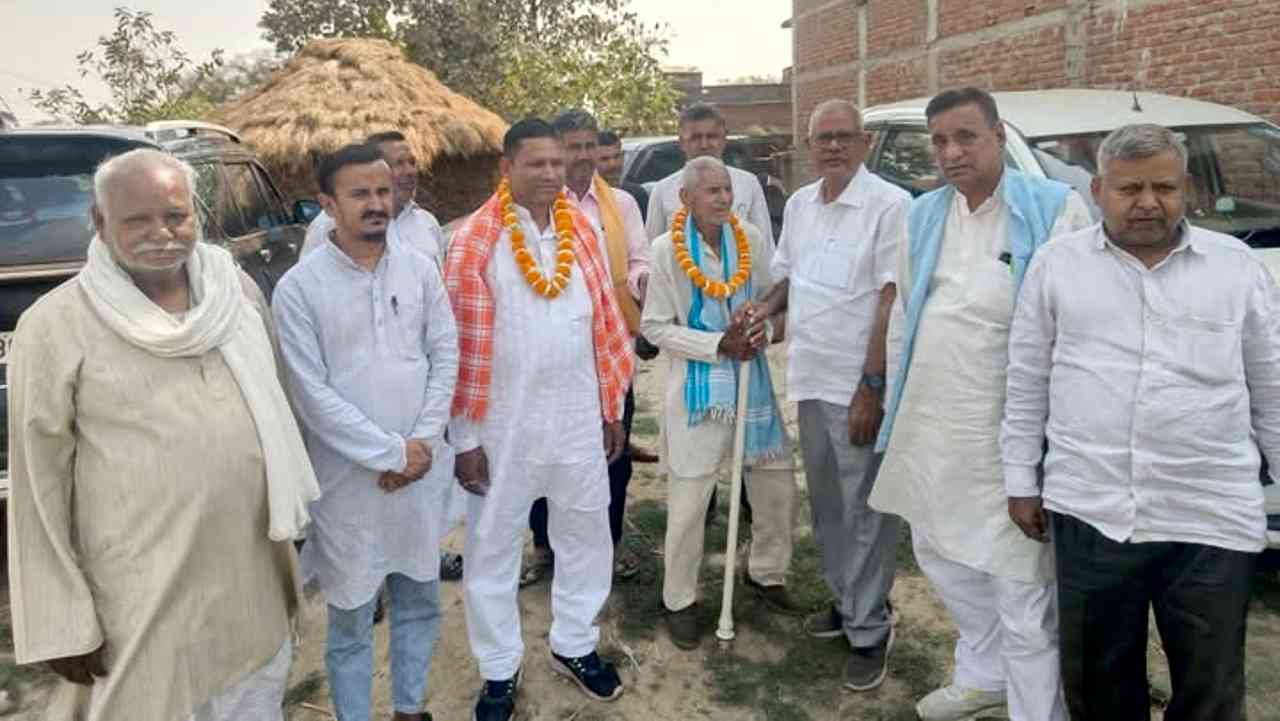
Comrade Churaman Bhagat: 65 years old at the time of conviction, he is a small peasant engaged in agriculture and has been active in IPF and CPI(ML) since 1984 at the panchayat level. He was released on 19 March 2026 after decades in jail.
Comrade Shyam Chaudhary: 35 years old at the time of conviction, he is a landless peasant engaged in toddy tapping and also made clay idols for festivals. He was among those captured during the police action—dragged out while harvesting singhara. He is set to be released after decades of incarceration.
Comrade Ajit Kumar (Ajit Sau): About 29 years old at the time of conviction, he was an agricultural labourer. He was only 13 years old and a Class IX student at the time of the incident. He was picked up from his house and kept in Gaya jail with juvenile undertrials, yet tried as an adult under TADA. He was released on 19 March 2026.
Dr. Jagdish Yadav: 45 years old at the time of conviction, he became associated with IPF in 1981 as a medical student in Patna. He was a full-time activist from 1985 to 1995 and later a part-time CPI(ML) activist. He had also worked extensively in literacy campaigns. He has now been released after years in jail.