The similarities of Nepal with recent political developments and electoral outcomes in Sri Lanka and Bangladesh are quite unmistakable. In all the three countries we have seen powerful popular upheavals led primarily by Gen Z youth and driven by great anger against the incumbent regimes and a profound yearning for change. All these three countries now have a drastically altered political landscape. But the dissimilarities are also worth noting. In Sri Lanka, the change has catapulted an old but minor party like the JVP from the margins to the centre of power. In Bangladesh, the former ruling party Awami League was banned from contesting in the elections, and the new party born out of the July Uprising joined hands with the Jamaat and emerged as the main opposition bloc. It was BNP which came back to power after a gap of nearly two decades. In Nepal, parties that have been in power in the past, competed with the new challenger Rashtriya Swatantra Party (National Independent Party) in elections and lost.
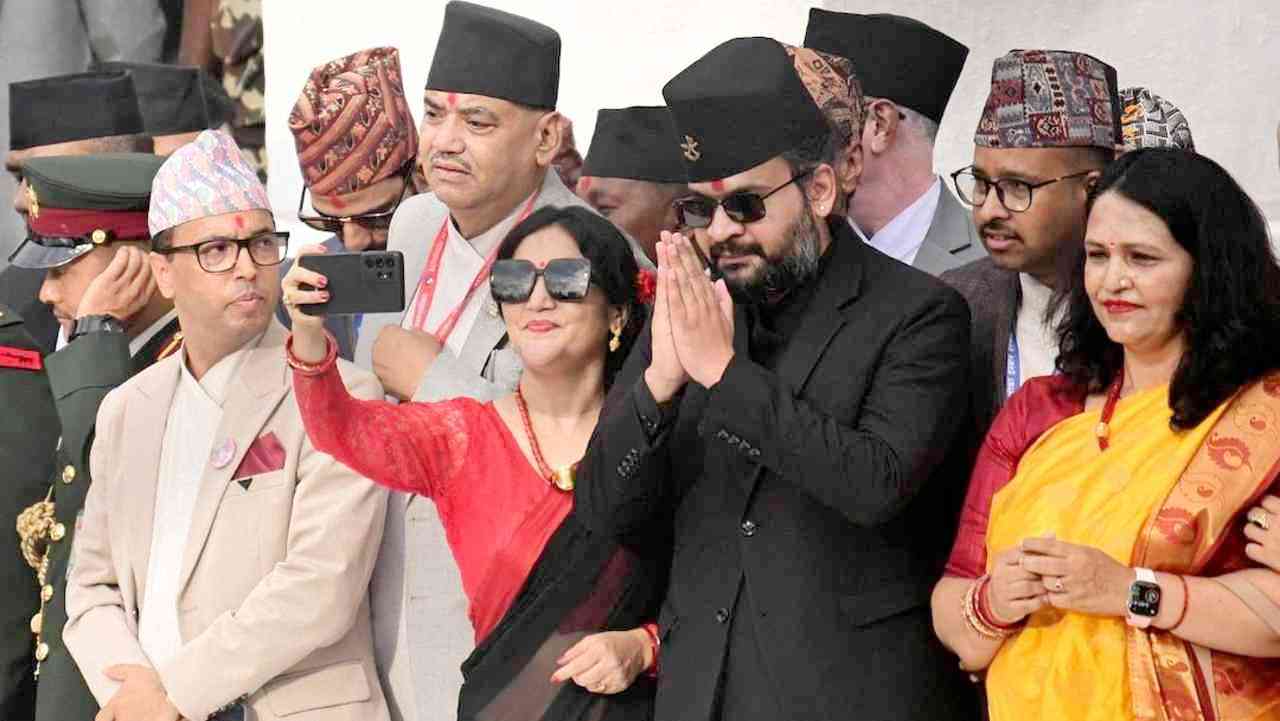
As a party, the RSP had made its presence felt in 2022 itself, emerging as the fourth largest party with a tally of 20 seats out of 275 (165 seats through first past the post system, and 110 seats through proportional representation). The party had joined the coalition government led by Prachanda with its leader Rabi Lamichhane becoming Deputy Prime Minister as well as Home Minister before the Supreme Court forced him to resign on the charge of invalid citizenship. Lamichhane subsequently came back after winning a by-election, and the party reinforced its identity as a rising political alternative. Meanwhile, Nepal had already witnessed another indication of the growing quest for a political alternative with the victory of Balendra Shah as an independent candidate in the Kathmandu mayoral election in May 2022 in the wake of the Covid pandemic. What propelled the remarkable rise of the RSP in the March 5 parliamentary elections was Balendra Shah joining the RSP and being projected as the prime ministerial candidate.
What does this political shift signify? Nepal has seen fourteen governments since the republican transition in 2008. No government has lasted its full term and the coalition pattern has become increasingly messy and chaotic. The scale of the mandate clearly reflects Nepal's desire for political stability. Growing perception of widespread corruption and a deepening rot in the system and a visible generational rift between gerontocratic rulers and a predominantly youthful electorate has further fuelled mass disillusionment. The unprovoked police firing on peaceful protests against the ill-advised social media ban added to the popular outrage. The consequence has been an unprecedented readiness of the Nepali electorate to experiment with new faces and the promise of clean governance yielding a massive mandate for Balendra Shah and RSP candidates. Balen made it a point to contest against the ousted PM KP Oli and the result was a humiliating defeat for the latter.
The RSP describes itself as a centrist party with a reform agenda for Nepal's republican democracy. There is no support for any restoration of monarchy. In fact, the party that openly advocates restoration of monarchy got only one seat. There is also little traction for making Nepal a Hindu state. But there does seem to a greater push for a presidential system and technocratic governance. It remains to be seen how the new regime will deal with the ideological-political pressure exerted by the Modi government and the RSS on one hand and Nepal's growing economic dependence on China on the other. Remittance by expatriate Nepali workers is a major source of income for Nepal, and the instability, uncertainty and anti-immigrant environment in the Gulf region in the wake of the US-Israel war on Iran will be an added challenge for Nepal.
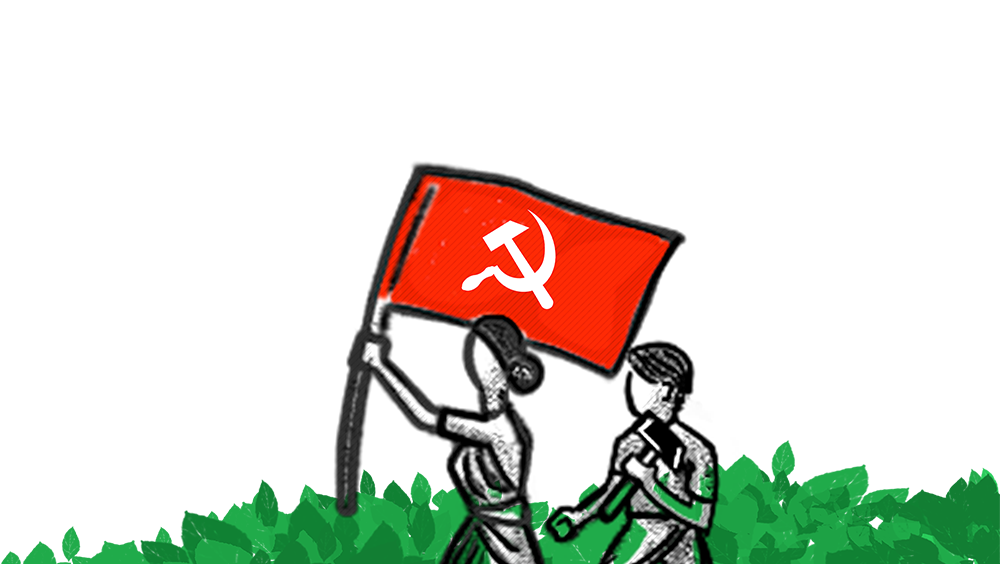
For Nepal's communists who historically led Nepal's republican transition and enjoyed enormous goodwill repeatedly coming to power since the 1990s, the electoral rout must be treated as a massive wake-up call. As a landlocked country situated between two big and powerful neighbours without any major resource or industrial base, Nepal clearly has major economic and foreign policy challenges to navigate. At the same time, politically Nepal has been one of the few Asian countries with a strong mass communist influence. Nepal’s communist parties must draw lessons from the current electoral debacle, draw fresh energy from the Gen Z struggles and aspirations for a prosperous and progressive Nepal, and rebuild a communist movement which can steer Nepal towards a stable and robust democratic future.