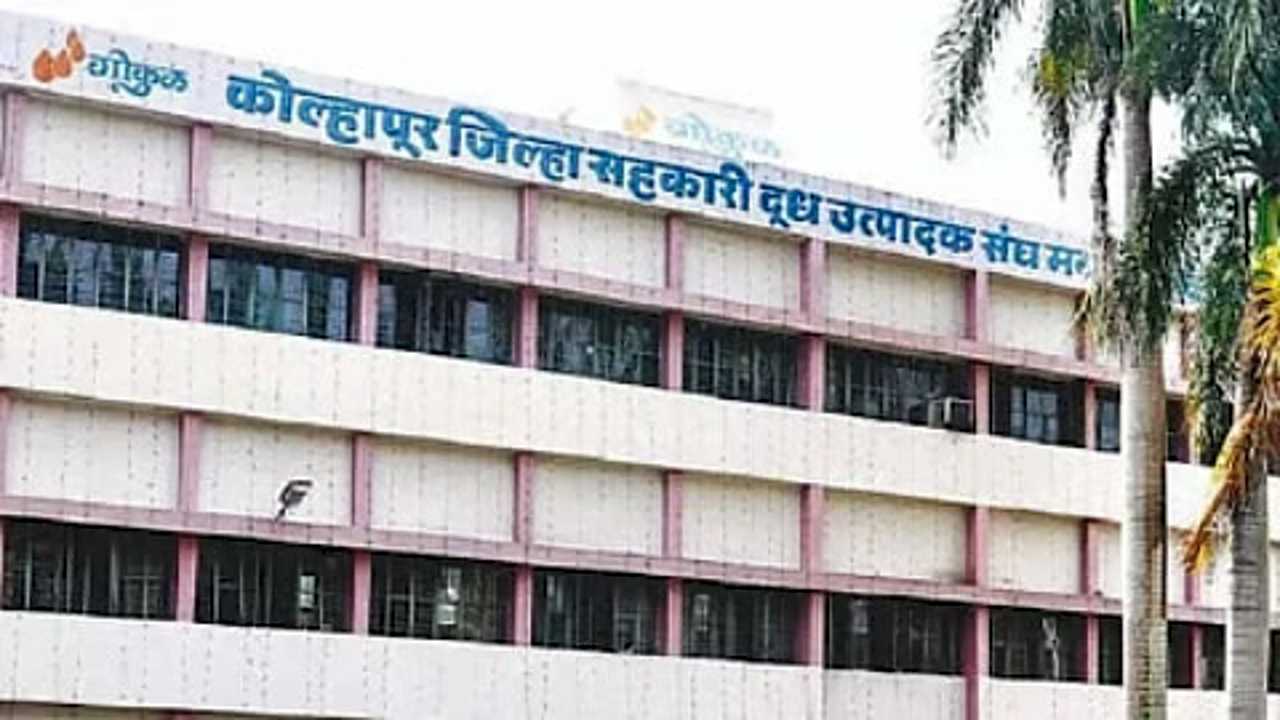
Gokul produces milk and milk products worth Rs 4,000 crore annually. For the farmers of western Maharashtra, where the policies of the government over the last 12 years have deepened the agrarian crisis, dairying provides a vital supplementary income. It is mostly women who run this business. Gokul sells 13 lakh litres of milk a day in Mumbai and Pune alone, generating a daily turnover of Rs 10 crore. Behind this familiar brand are thousands of kilometres of milk collection routes, large chilling plants at places such as Shirgaon and Vashi, and a local economy built up over generations.
The BJP, the Shinde-led Shiv Sena and the Ajit Pawar faction of the NCP contested the election together as the Mahayuti. The Samavichari panel, backed by the Maha Vikas Aghadi, defeated them, winning 13 seats against the Mahayuti’s 12. The government transferred the election officer immediately after the result. The Mahayuti directors then stayed away from the meeting to elect the chairperson, leaving it without a quorum. The Maha Vikas Aghadi approached the High Court but secured little relief.
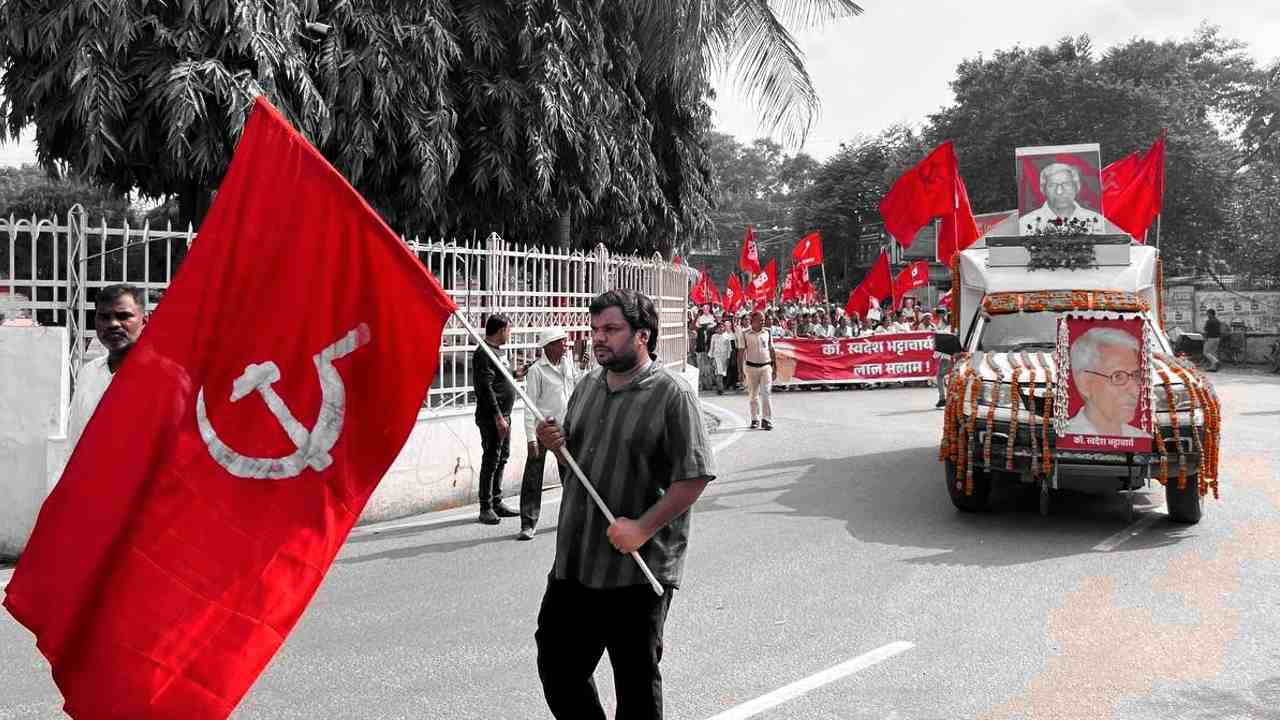
In the meantime, the BJP-led state government issued an ordinance providing for the appointment of five additional directors to Gokul and giving four of them voting rights. On November 9, milk farmers and the democratic people of Kolhapur district staged a massive demonstration against the ordinance and in support of the elected majority. CPI(ML) workers from several talukas of the district participated. Disregarding the verdict of the election and the clear opinion of the people who had come out on the streets, the BJP-led alliance captured the board with the votes of the four additional directors.
This power grab did not take place in a vacuum. Taking advantage of the malpractices that have grown in the cooperative sector over the years, the BJP and RSS have set out to capture the sector for their long-term agenda. The creation of a separate Ministry of Cooperation at the Centre and the decision to put Amit Shah in charge of it must be seen in this light.
In the dairy sector, the promotion of Amul has gone hand in hand with attempts to take over and merge milk cooperatives, much as corporations seek to establish monopolies through mergers and acquisitions. There were attempts to swallow up the brands, Nandini in Karnataka, Mahanand in Maharashtra, Aavin in Tamil Nadu and Milma in Kerala have all faced this pressure. In the rest of the states, the people and governments repelled this attack.
After the failed attempt to establish the Mayur brand as a competitor, there are fears that an administrative and political maze is being created to directly gobble brand Gokul. This will open the way for Anand and Mother Dairy as two monopolies to dictate prices for the milk producers and the consumers.
The process of this monopolisation is being carried out under the umbrella of the Sardar Patel Cooperative Dairy Federation, established in July 2025 with the stated aim of bringing the country’s milk producers under one roof and building a common supply chain. Amul’s managing director heads the federation. Of the 14 seats on its board, 11 are reserved for milk unions from Gujarat. The whole of the rest of India gets three. If Gokul joins this federation tomorrow, who will decide how Kolhapur’s milk is priced, where it is sold and what becomes of the collection routes and chilling plants its farmers have built? Decisions about these resources could pass into the hands of the federation in Anand, Gujarat. The farmers who own Gokul today could become helpless suppliers tomorrow.
Does this concentration of control also prepare the ground for international dairy companies? Over the past year and a half, the Modi government has pursued trade agreements with Europe, the United States, Australia and New Zealand, offering import concessions on grains, oilseeds, fodder and other agricultural products.
Farmers and working people of Kolhapur have already shown that they will not watch quietly while their cooperative is taken from them. In defending their elected board, they are also defending their right to decide the future of their milk, their markets and their livelihoods.