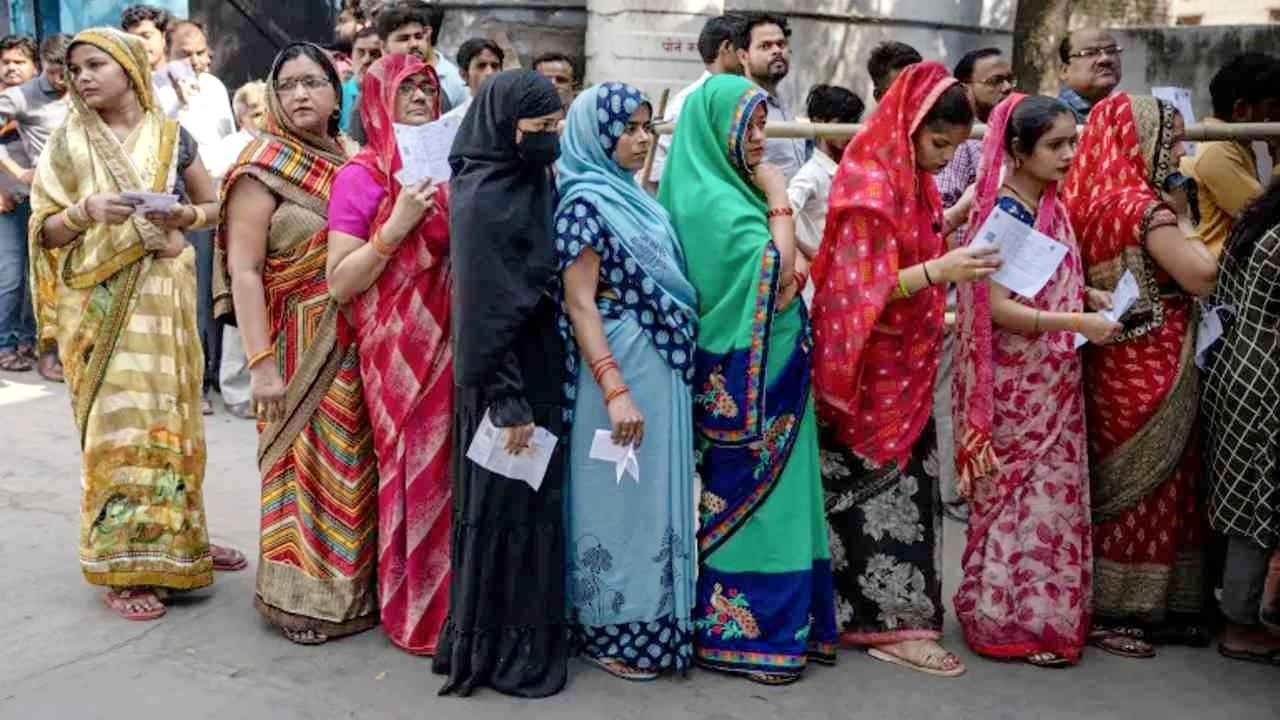

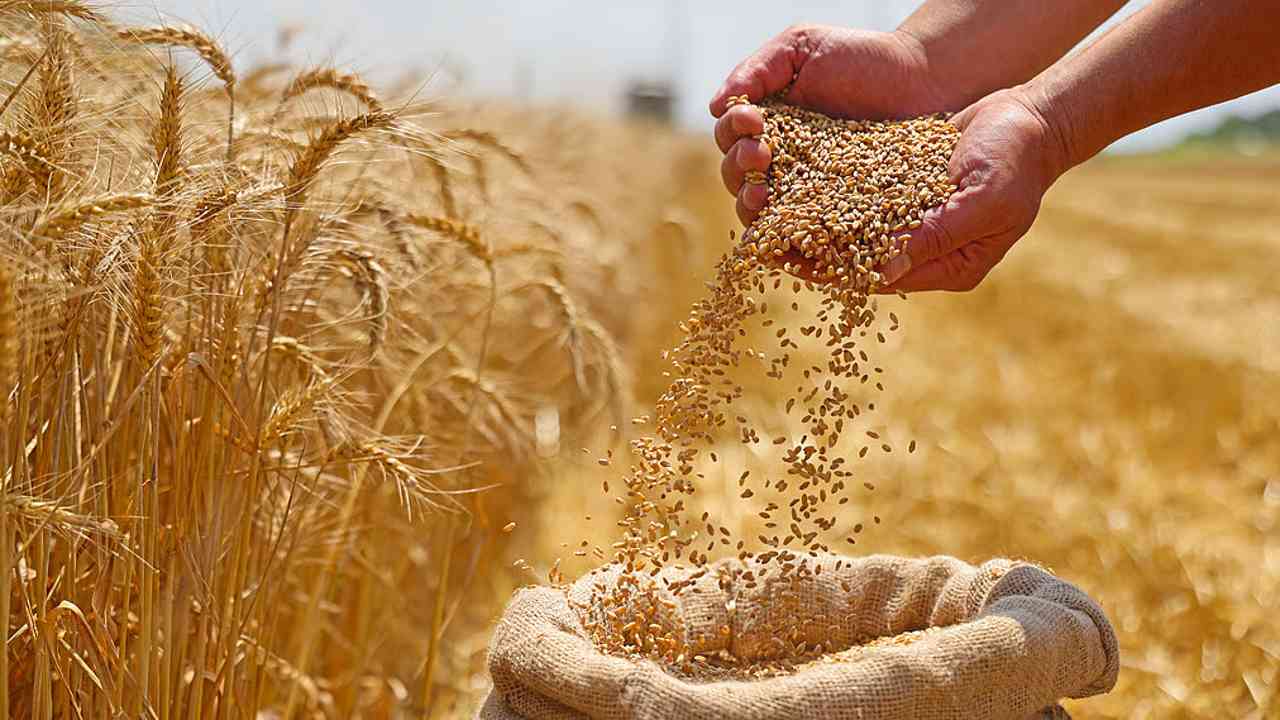
Majority of the population is still dependent on agriculture irrespective of the continued decline of agriculture's share in the GDP. Agriculture continued to be a way of life and culture for Indian society. The draft bill completely ignores farmers as the primary stakeholders and cleverly transforms them into mere consumers of seeds. Although the bill recognises farmers’ right to "grow, sow, re-sow, save, use, exchange, share or sell his farm seeds", but at the same time gives a free hand to the big seed corporations including multinationals for controlling seeds and seeds market in India.
Rural communities and various nongovernmental initiatives - FPOs, NGOs and local seed collectives - involved in preserving, sharing and sale of seeds will now require registration under the proposed Act. These play a significant role in preservation of local varieties and maintaining biodiversity but will now be treated at par with commercial seeds companies. All seeds for sale must be registered basing on Value for Cultivation and Use trials (VCU) in multiple locations to ensure optimal quality. Many varieties locally available genetically diverse, well adapted and known for specific qualities like taste and flavour may not pass such trials.
The basic tenet of unrestricted right of farmers and rural communities to save, use, exchange and sell their own seeds free from too much bureaucratic and commercial corporations' control, takes a back seat as seeds are not considered a common heritage essential for biodiversity and cultural preservation. Instead seeds are merely a commodity involving intellectual property or proprietary rights owned by the seller company. The proposed draft gives a framework for regulation of the commercial seed market in a way that privileges commercial seed companies monopolising the seeds market.
Agriculture is a state subject and existing Seeds Act 1966 mandates a central seed committee with the representation of all states. While an updated legislation is the need of the hour in view of scientific, technological, political and social advancements, a review group formed by the government had already proposed the institution of a National Seeds Board way back in 1995. The new draft proposes a Central Seed Committee dominated by bureaucracy with a nominal representation of states/UTs by dividing all states into five broad geographical regions. This committee is empowered to take all the decisions including programming, planning, production, storage, processing and export or import of seeds. This will be responsible for setting standards for registration, certification and testing etc. There is a provision for state seed committees which can look after registration of state seed varieties and advise state governments for registration of seed producers, dealers, distributors and supervise sale, stocks, prices in respective states.
Every seed sold in the market has to be registered after a VCU trial conducted by accredited centres which till now are Indian Council of Agricultural Research, agricultural universities and similar organisations. Now the Draft Bill includes 'other organisations' which can fulfill prescribed eligibility requirements. It is not a hidden fact that for private corporations it is much easier to manipulate private institutions. Moreover the Bill proposes to recognise 'any organization established in territory outside India, for conducting trials to assess the Value for Cultivation and Use', this will give multinational corporations enough space to manipulate quality standards. The provision of allowing foreign organisations for VCU trials in a foreign soil without any testing on Indian soil also poses a risk of contaminating the ecosystem.
The Draft Bill in the name of ease of doing business provides for a central accreditation system for companies operating in multiple states and such accredited companies shall be deemed to be registered in the State Register. Their application for registration cannot be rejected on technical, financial, or infrastructural grounds, while non-accredited seed producers, that means small seed producers, will have to comply with required technical, financial or infrastructural requirements.
A Bill meant for providing farmers good seeds does not talk about even a minimum mechanism to ensure affordable prices to them. The government must provide a mechanism to regulate seed companies from charging exorbitant prices, the Bill only says the central government 'may regulate sale price of seeds' in emergent situations like scarcity of seeds, abnormal rise in prices, monopolistic pricing or profiteering. This clause is highly inadequate and tilted towards the vested interests of big seed corporations.
What happens if the seeds purchased by a farmer did not deliver as promised? The reports of selling substandard or faulty seeds are rampant in various states and in most cases farmers never got any compensation. The Bill must have addressed this gap by providing a proper mechanism for compensation to farmers in a rational way. The companies lay blame on farmers themselves for the crop failure in absence of any stringent legal framework. The draft remains silent on this sensitive issue and gives a punitive clause sans compensation by providing punishment for supplying spurious seeds as a penalty of Rs. ten lakhs which may double or triple in case of repeat offenses. For big seed companies a sum of ten or thirty lakhs is a negligible amount that cannot serve as a deterrent and easily lets them free.
In absence of a compensation mechanism farmers are forced to go to the time taking and tedious Consumer Protection Act, and in absence of a stringent penalising clause for seed failure the Bill undermines corporate accountability on one hand and increases risks for farmers and endangers their autonomy on the other hand.
The Bill overrides or dilutes some of the provisions of Protection of Plant Varieties and Farmers’ Rights Act (PPVFR Act), 2001 including a provision for compensation.
The Bill provides a digital traceability feature with introduction of a central seed portal (SATHI) and mandatory QR Codes on every packet for tracking. Although this feature may place small producers, FPOs and rural community seed keepers on an uneven plane owing to extra costs incurred, in absence of a governmental support system for them.
Instead of regulating private seed corporations to benefit farmers, this bill primarily attacks farmers' rights over their seeds and agriculture.