Around the same time, in Haryana, the state government was forced to retreat in another case. It refused to grant sanction for prosecution of Ashoka University professor Ali Khan Mahmudabad, who had been arbitrarily arrested last year by Haryana Police for his academic and social media commentary on Operation Sindoor. He was charged with endangering the sovereignty and integrity of the country, a familiar and dangerous pattern where dissent is criminalised through sweeping and vague laws. His arrest marked yet another instance in 2025 where draconian legal provisions were deployed to silence critical voices.
But any sense of relief was short lived. Even as these cases exposed the regime’s authoritarianism, a far more chilling episode came to light in Delhi, revealing the depths of repression. Only after a habeas corpus petition was filed in the Delhi High Court did details emerge of enforced disappearances carried out between March 12 and 14. Around ten left wing students and activists, including those associated with the BSCEM group, were picked up by plainclothes personnel believed to be from the Special Cell and taken to undisclosed locations. No arrests were recorded. No legal procedures were followed. It was a brazen abduction operation carried out in the capital.
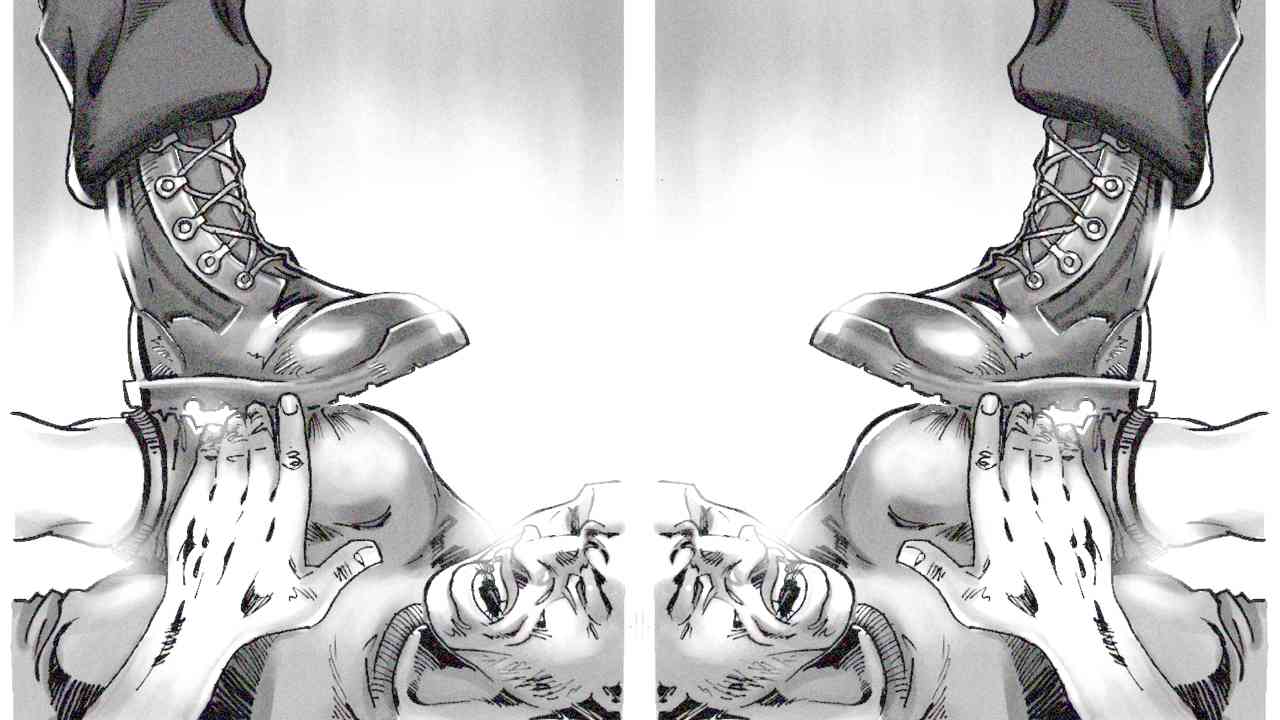
As per reports, for several days these students and activists were subjected to inhuman torture, including sexualised violence. “They forced me to strip naked, forced me to open my legs and hit me with a belt on my private part,” said Dalit activist Shiv Kumar, who was recently released by the Delhi Special Cell, speaking to Maktoob Media. Another activist, Rudra, told the same outlet that an officer came into the interrogation room and forced him to go under the table naked. “He was eating his food and kept kicking me on my private parts. I was forced to kiss his slippers as well.”
In the habeas corpus case, the Delhi High Court directed the Delhi Police to preserve CCTV footage of the Special Cell premises in connection with the detention of several student activists in the national capital. The abductions were carried out in the open without any documentation or identification, by individuals claiming to be police personnel. Neither has the Delhi Police provided a copy of the FIR in the case, claiming its “sensitive” nature, an excuse repeatedly used in cases of repression against students and activists.
In a statement issued on March 17, AISA condemned the fascist abduction and torture of students and Left activists by the Delhi Police, stating that the police are functioning as “thugs in uniform” to suppress democratic voices through violent intimidation.