The result has to be seen against the backdrop of two unprecedented state interventions that were designed to shore up the declining electoral prospects of an increasingly non-performing and unpopular government. A surgically executed Special Intensive Revision of the electoral rolls that struck off close to 6.9 million electors and inducted more than 2.5 million voters, along with more than 3 lakh voters mysteriously added after the SIR was completed and elections were announced, drastically altered the electoral balance across the state. The alterations effected through the SIR deletions and inclusions were more than the 2020 leads of the opposition in most constituencies. The post-SIR inclusions tilted the balance further in close to a dozen marginal constituencies.
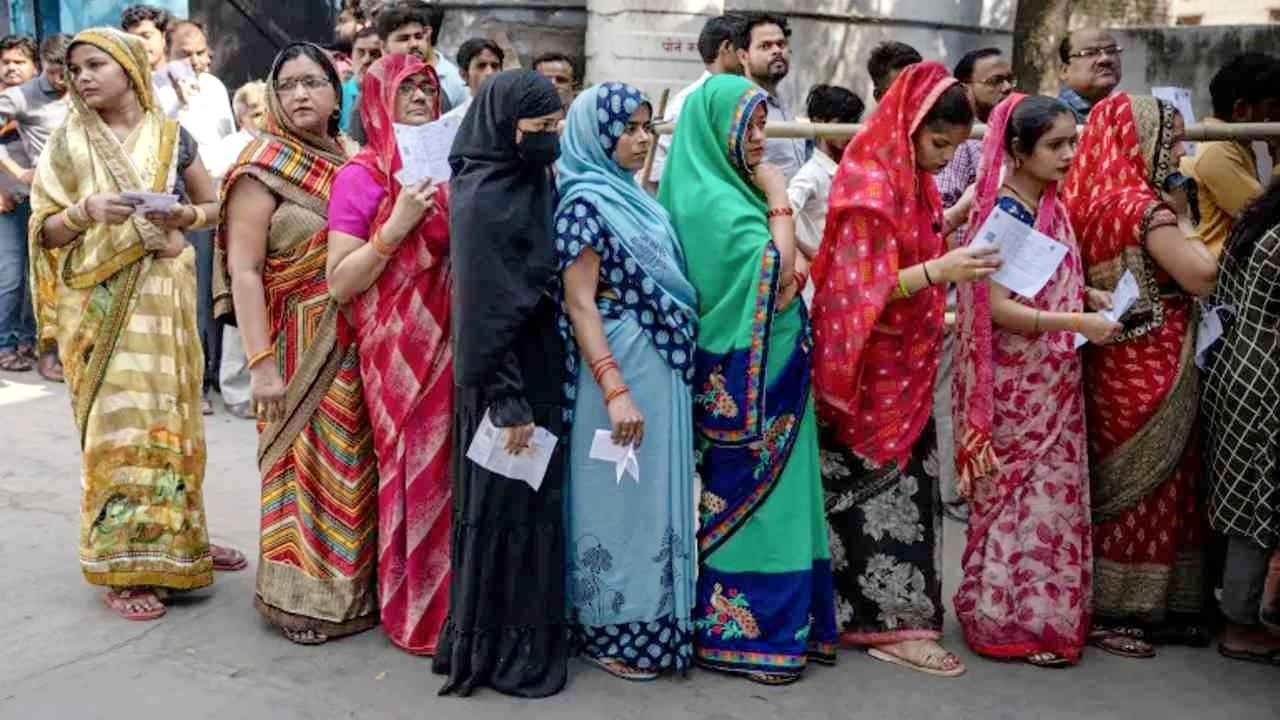
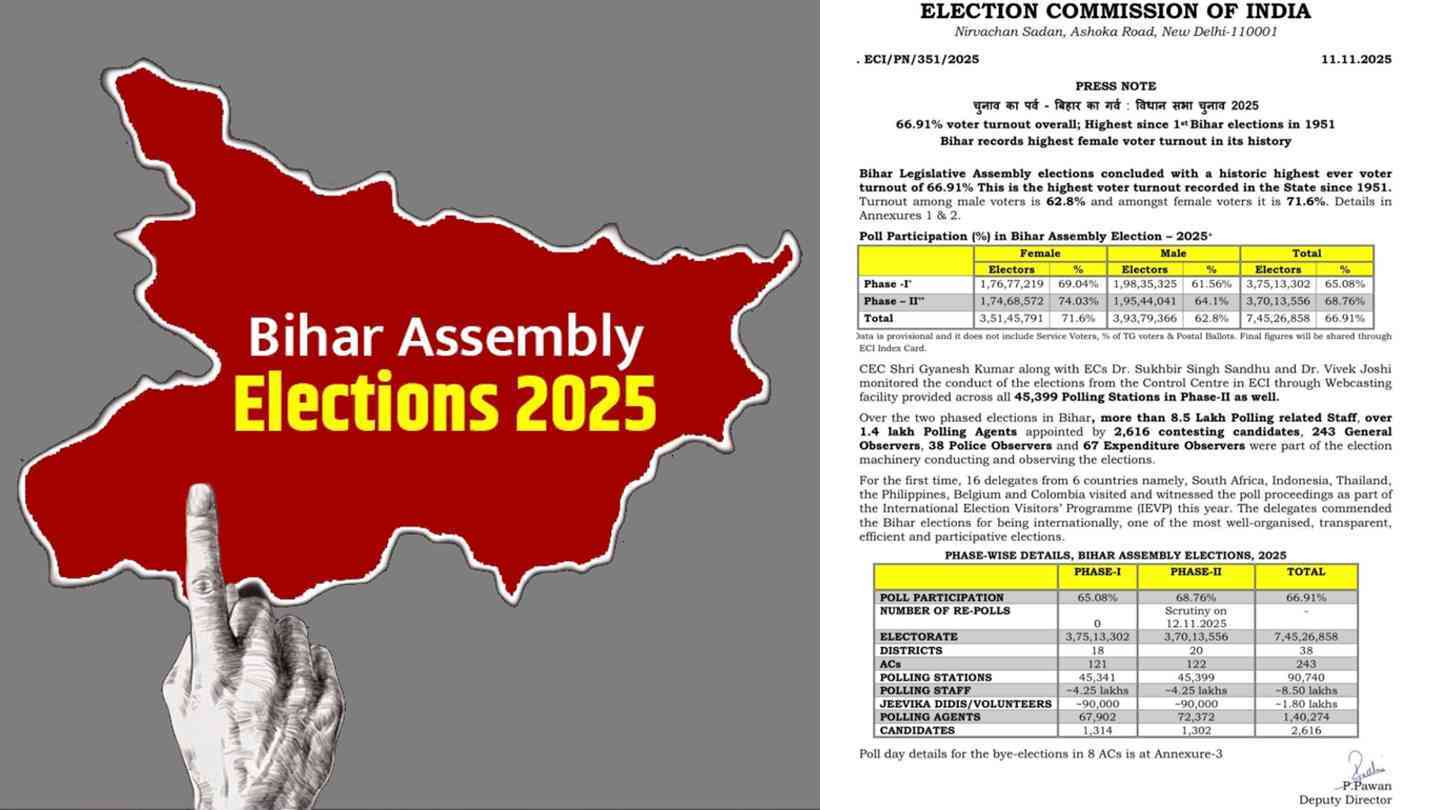
The SIR also triggered widespread anxiety and fear of loss of not just the vote but also citizenship and various allied rights and benefits. Bihar witnessed the highest voter turnout in its electoral history, propped up by organised transfers of non-resident voters (for example arrangement of special trains to ferry pro-NDA voters to Bihar). The administration too chipped in with its open bias that permitted widespread organised pro-government false voting. The extra vote, whether synthetic or organic, has boosted the NDA vote share and the anomalous first past the post system translated it into a disproportionately high seat tally. The result is an incredible 202 seats for the ruling coalition that even put most of the exit polls to shame.
The second state intervention came in the form of an unprecedented quantum of direct cash transfer right on the eve of and even during the elections. Three particular measures were especially designed to defuse the mounting anger of the people against a callous non-performing government: an increase in old age and disability pension from a paltry ₹400 to ₹1,100 per month, free distribution of up to 125 units of electricity per month and most significantly a one-time transfer of ₹10,000 to nearly 15 million women connected to self-help groups managed by the rural livelihood mission, known as Jeevika in Bihar.
The new scheme, farcically christened Mukhyamantri Mahila Rozgar Yojana (which should actually be called Mahila Karzdar Yojana or women indebtedness scheme), was launched just days before the announcement of the poll schedule in Bihar, and disbursements continued during the elections. In an interview Amit Shah had described the ₹10,000 transfer as seed money for a potentially larger loan in the coming days. Aware that women in Bihar are angry with the coercive microfinance loan recovery campaign, a disturbed Nitish Kumar rushed to clarify that the ₹10,000 instalment was not a loan and would not have to be returned. To make sure that the disbursement actually resulted in votes and the electoral harvest was properly reaped, 1,80,000 Jeevika ‘volunteers’ were deployed on poll duty as mentioned in the post-poll press note issued by the Election Commission of India.
A third major election period signal that did not however get due media attention was the announcement of the Pirpainti Adani power deal whereby Adani got 1,050 acres of land for a token annual lease value of just ₹1 and also assured purchase of electricity at more than ₹6 per unit. Former energy minister of the Modi cabinet and two-term BJP MP from Ara, RK Singh, alleged a ₹620 billion scam and demanded a CBI probe only to invite his own expulsion from his party. While scrapping Electoral Bonds as unconstitutional, the Supreme Court had raised the issue of quid pro quo between corporate donors and political recipients.
What then has been the Adani group's involvement in the Bihar elections in lieu of the Pirpainti power deal? We perhaps got some hint through the corporate funded political expedition led by Prashant Kishor's Jan Suraj Party and the massive use of money power by the BJP and its allies in these elections. In the coming days Bihar will have to deal with not just renewed feudal coercion and intensified communal hate and violence but also heightened corporate loot. The discourse on development in Bihar which has remained divorced from jobs, earnings, amenities and rights of the working people will become further infrastructure-centric with the growing penetration of Adani in Bihar.
In many ways, the outcome of the Bihar Assembly elections 2025 has followed the same pattern and scale as that of the Maharashtra elections in November 2024. In Maharashtra the MVA was reduced to 50 seats out of 288 and here the INDIA coalition has only 35 in a house of 243. The electoral roll updating exercise has now been weaponised as a systematic countrywide electoral purge, and the cash transfer tool of electoral engineering has now been taken to the next level. Bihar also witnessed an overhyped corporate-funded attempt to prevent the consolidation of the anti-incumbency public anger in the form of the Jan Suraj Party which eventually failed spectacularly but dominated the media scene all through the pre-poll run-up.
Under-representation of Muslims in the electoral arena and the non-declaration of any Muslim name as a projected Deputy CM upset the Muslim opinion in a big way and the AIMIM once again emerged as a major centre of Muslim politics in Bihar winning all the five seats it had won in 2020. But the landslide victory of the NDA has obviously meant the lowest ever Muslim representation in the Assembly, down to 11 from 19 in the outgoing house. In 2010 when the NDA had 206 seats there were seven Muslim MLAs in JDU and even the BJP had one, but this time round the NDA has a lone Muslim MLA from the JDU while the remaining 10 Muslim MLAs come from the AIMIM, RJD and the Congress. In another significant trend reversal, upper/general caste MLAs (69) now outnumber OBC MLAs (66) in the NDA camp. It should be noted that the BJP list of 101 candidates contained not a single name from the 16-odd percent Muslim population while the 10.7 percent Hindu upper caste population had 49 representatives.
The CPI(ML) had contested twenty seats in these elections, but could win only two seats in sharp contrast to the twelve it had won five years ago even though the vote share of the party dropped only marginally. The party lost four seats by a narrow margin of less than three thousand votes, including one lost by only 95 votes. The party will of course have to review the results closely, draw necessary lessons and take corrective measures. The INDIA coalition will also have to go for an in-depth review, expose and challenge the whole gamut of administrative manipulations, electoral malpractices and abuse of election machinery starting with the utterly arbitrary and partisan role of the Election Commission of India, but equally importantly, INDIA will also have to draw lessons from all its lapses and overcome its weaknesses.
More than ever before, the fifth term of the Nitish Kumar government is going to be dominated by the BJP and the Sangh brigade has made no secret of its plan to turn Bihar into a laboratory of bulldozer raj. Governments with abnormally high majorities have often unravelled quite rapidly, and an NDA government back in power with an abnormal majority against the popular mood for change is unlikely to be an exception. But having retained Bihar, the Sangh-BJP establishment will now train its eyes on Assam, West Bengal, Tamil Nadu and Kerala, the four states scheduled to go to the polls by May 2026 and Uttar Pradesh where an election is due by February 2027.
For the constitutional foundation of democracy to survive, India will have to urgently reverse the trend of centralisation of power around one party and concentration of wealth in ever fewer hands which has reached alarming levels after the Bihar elections. The battle lines between fascist consolidation and democratic revival now stand out in ever sharper relief and progressive forces across India must not allow the Bihar outcome to weaken their unity, resolve and strength.