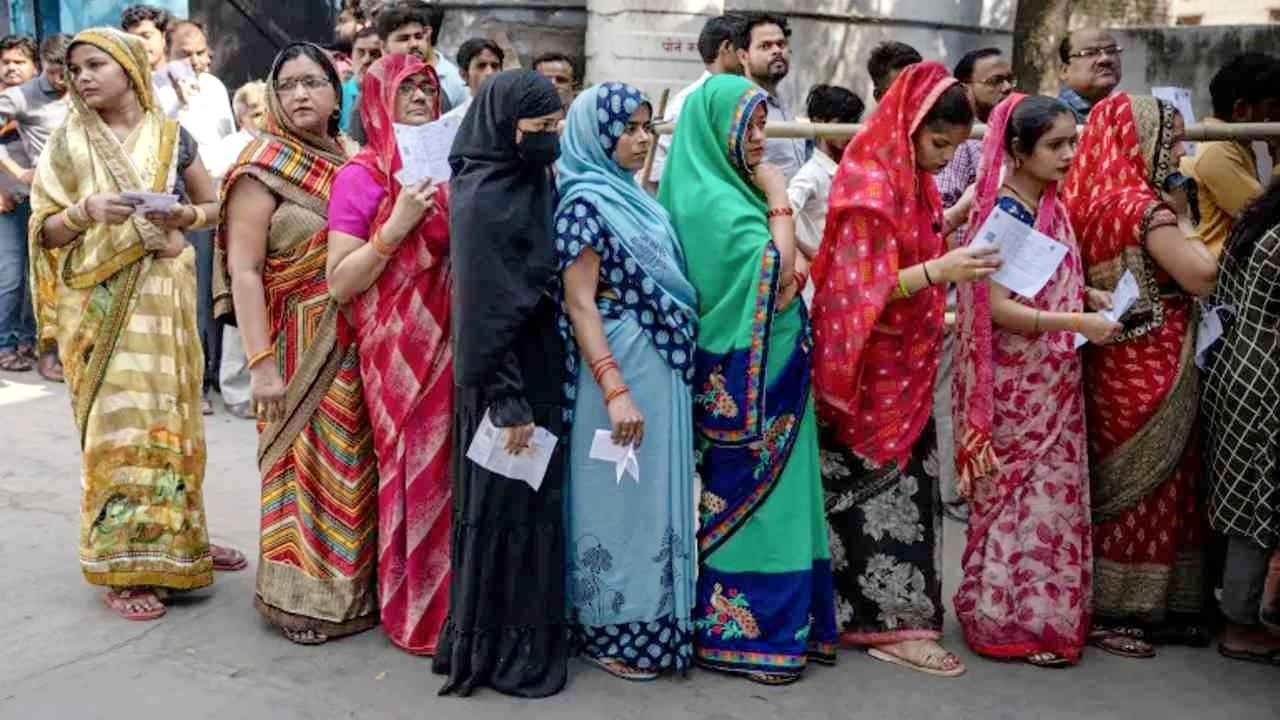
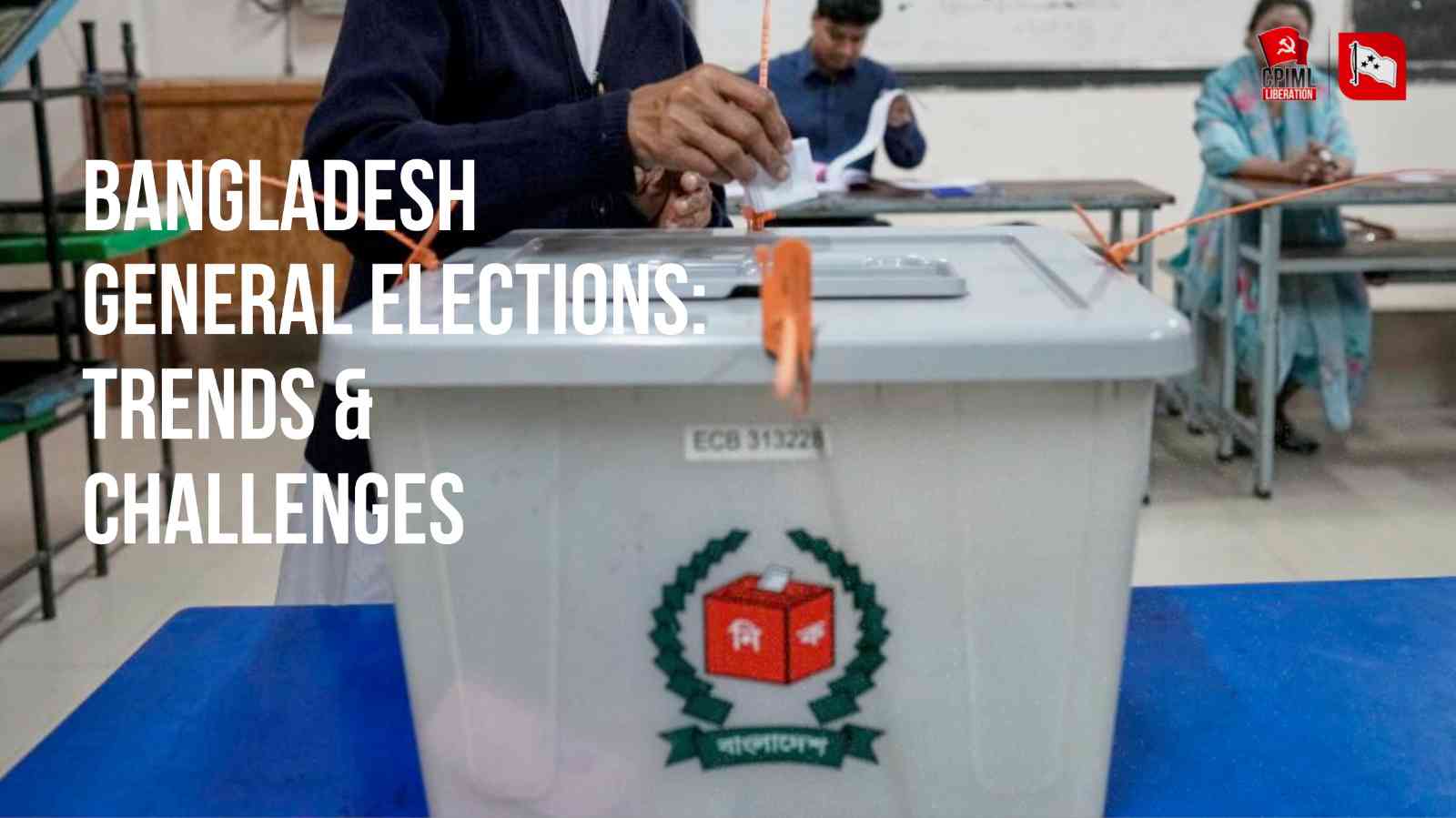
The previous two parliamentary elections in Bangladesh were widely believed and exposed to have been rigged. The February 12 elections have not attracted such accusations. But given the fact that the erstwhile ruling party Awami League now stands forbidden from contesting, the elections were certainly not fair enough. The absence of the Awami League probably also meant a decline in voter turnout. Voting in Bangladesh happened through the ballot, something more and more people in India have been demanding quite persistently for quite some time now, and the results were declared within one day. The conduct of the electoral exercise was thus quite credible and efficient enough.
With the Awami League out of the electoral scene, the electoral contest was primarily between the Bangladesh Nationalist Party and an 11-party alliance led by the hardliner Jamaat-e-Islami. The National Citizen Party, the popular Gen Z platform to have emerged from the July Uprising, chose to join the Jamaat-led alliance leading to a split in the party with some leaders contesting independently. The Left in Bangladesh adopted two different approaches, one section entered into a partial understanding with the BNP, while another section contested as an independent bloc. According to the final outcome, declared for 297 out of 300 seats, BNP has scored an emphatic majority with 212 seats while the Jamaat-led alliance has emerged as the main opposition with 77 seats, with the Jamaat winning 68 seats and the NCP six. The Left stream won one seat in alliance with the BNP.
Voters of Bangladesh not only chose their new parliament, they also took part in a referendum on the July Charter, a charter of proposed institutional reforms in Bangladesh. The July Charter comprising over 80 reform proposals had been signed by twenty-four political parties and the interim government on 17 October 2025 and in the referendum it was passed with 60 percent support. Among other things, the Charter proposes a maximum of two terms for the Prime Minister, creation of an upper legislative chamber, and the holding of elections under the supervision of a caretaker government. It also provides for enhanced representation of women and expansion of fundamental rights for citizens. It now remains to be seen if the charter is actually implemented as scheduled over the next couple of years.
The emergence of the Jamaat as the main opposition party in Bangladesh is surely a disturbing political sign. This is an organisation which had sided with Pakistan and opposed the Bangladesh liberation war. It espouses a misogynist world view which considers women not fit for political and administrative roles and it did not field a single woman candidate. In many ways it is akin to the rise of the Sangh brigade in India despite the RSS betrayal during India's anti-colonial freedom movement. But Bangladesh is clearly alive to this danger and if the BNP has secured a landslide majority, it should also be seen as a vote against the Jamaat, at least to keep it out of power. The alliance of the NCP with the Jamaat has however helped the latter acquire greater legitimacy and political currency in today's Bangladesh. Sooner rather than later, secular democratic forces of Bangladesh will have to draw a stronger line of demarcation with the Jamaat camp and find effective ways of advancing Bangladesh according to the democratic vision of the 1971 liberation war.
Relations with India remain a key concern for Bangladesh. India's support to prop up an increasingly unpopular Hasina government before the July Uprising and the asylum granted to her since her ouster on 5 August 2024 have been a major irritant as has been the imposition of Adani projects and India's economic interests on Bangladesh. Apart from the precarious state of minority rights in India and Bangladesh, the constant invocation of the bogey of the 'Bangladeshi infiltrator' by the Modi government and the BJP only make matters worse. Of late the BJP has turned the issue of alleged infiltration from Bangladesh the party's central electoral plank in not just the Indian states bordering Bangladesh like West Bengal, Assam, Meghalaya and Tripura but even in Jharkhand and Bihar which do not share any border with Bangladesh. Bengali-speaking migrant workers across India are liable to be dubbed Bangladeshi infiltrators and subjected to systematic harassment and violence.
Beyond the issue of Indo-Bangla relations, there is the larger question of the international situation and the increasingly aggressive design of American domination in the Trump era. As the unfolding details of Indo-US trade deal make it clearer with every passing day, the US is desperate to not just capture the Indian market, but India's 'complete alignment' with the US 'national security strategy' and policies of global American domination. Simultaneously the Trump Administration is busy playing 'divide and rule' in South Asia and fuelling rivalries between India and Bangladesh or Pakistan and India in the name of competitive trade deals. Against this backdrop, secular democratic forces of India can surely feel relieved with the peaceful conduct of the elections in Bangladesh. As a people fighting for justice and democracy in our own country and desiring peace, cooperation and friendship in South Asia, we sincerely wish the people of Bangladesh greater strength and success in shaping their future as a stable democratic republic.